How to Choose the Perfect Fencing Material for Every Property Mar 24, 2026
Start by defining the primary purpose of your fence. Are you looking to enhance privacy, ensure security, or simply improve the curb appeal of your property? Answering this question will narrow down your options considerably. For instance, those focusing on security might lean towards robust materials like steel or aluminum, while those prioritizing privacy might consider wood or vinyl options.
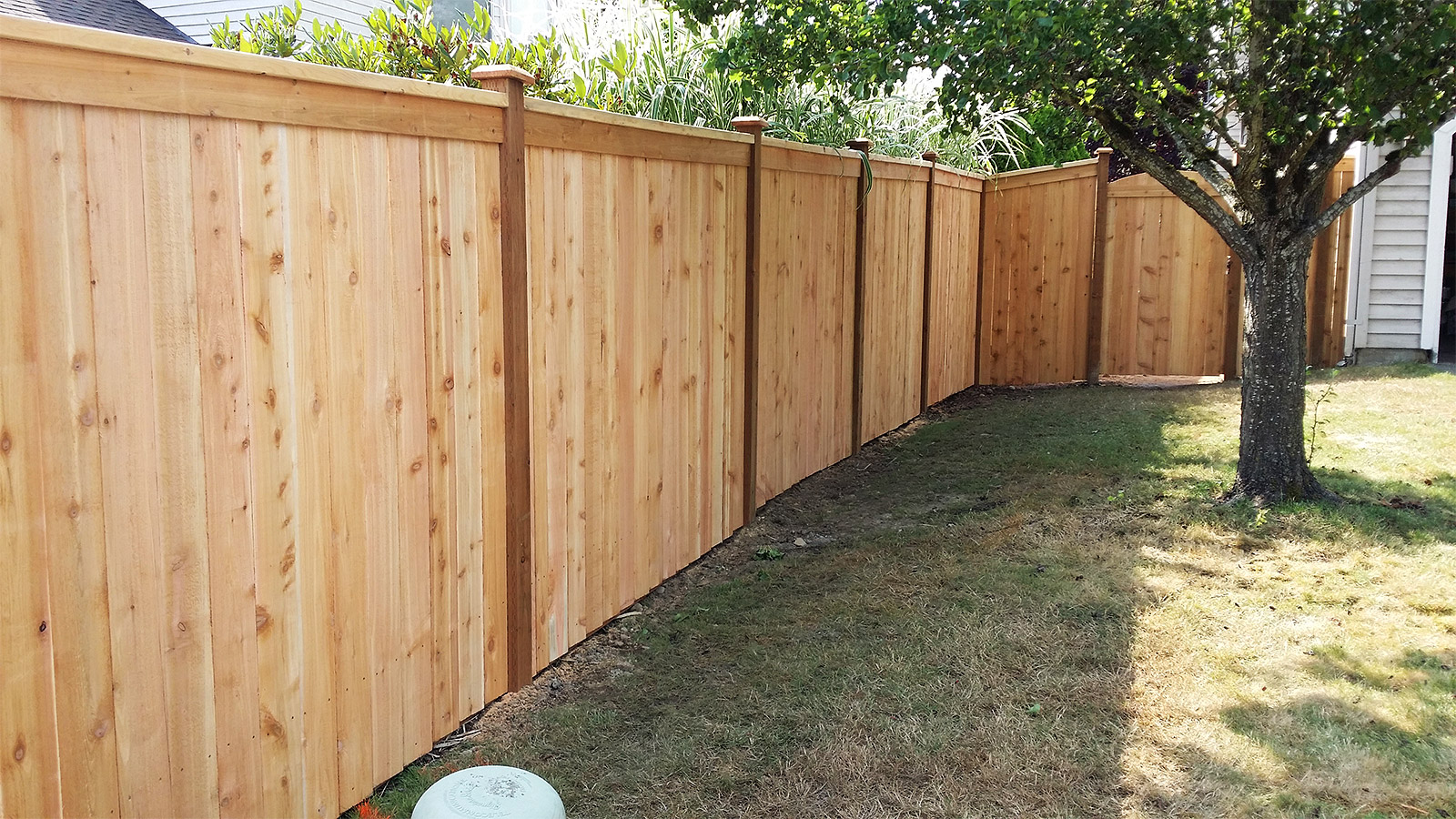
Wood is one of the most popular choices for residential properties due to its natural look and versatility. It can be painted or stained in any color and offers excellent privacy. However, wood fences require regular maintenance to protect against rot and pests. Cedar and redwood are particularly advantageous because they contain natural oils that repel insects, reducing maintenance needs.
Vinyl fencing has gained popularity for its durability and low maintenance. Unlike wood, it doesn't warp or rot and is resistant to pests. Vinyl fencing comes in various styles and colors that mimic traditional wood aesthetics, making it an ideal choice for homeowners who want the look of wood without the upkeep.
Aluminum and steel fences are excellent for those who prioritize security and strength. They provide a modern look while being resistant to rust and corrosion, which means they last longer with minimal maintenance. These materials are ideal for properties in areas with harsh weather conditions. However, while aluminum fences are generally easier to install and less expensive, steel offers superior strength and protection.
Chain-link fencing is a cost-effective solution often used for both residential and commercial properties. It provides a clear boundary and allows visibility, but lacks privacy. You can enhance its appearance by adding slats or plants.
Consider also the ease of installation and the terrain of your property. Uneven or sloped ground might require more flexible materials, like wood or vinyl, which can be adjusted more easily than rigid materials like wrought iron or aluminum.
Budget is another critical factor. While initial cost is important, remember to consider long-term maintenance expenses. For example, while wood fencing might be cheaper upfront, the cost of regular maintenance could make it more expensive over time compared to a vinyl fence.
Remember that local weather conditions can significantly affect your fence's longevity. In humid climates, materials prone to rot might require more frequent treatments, whereas in areas with heavy snowfall, strength becomes a more pressing concern.
In conclusion, choosing the perfect fencing material requires careful consideration of several factors, including purpose, budget, maintenance, and aesthetic preferences. FBR Welder & Construction is committed to helping you navigate these choices to find the best solution for your property’s needs. By taking into account the specific demands of your location and your personal priorities, you’ll be well on your way to enhancing both the beauty and functionality of your space with the ideal fence. For professional advice and installation, don't hesitate to reach out to us for tailored solutions that perfectly complement your property.
/filters:no_upscale()/filters:format(webp)/media/8f031f6a-7c13-4bef-b544-c7a903322f29.jpeg)