Choosing the Right Fencing Materials for Durability and Style Mar 11, 2026
When considering fencing, the primary factors to focus on are durability, maintenance, cost, and style. Let's explore these dimensions to better understand how they influence your choice of material.
Durability is paramount. You want a fence that stands the test of time and withstands various weather conditions. For those seeking robustness, metal fences such as aluminum and wrought iron are excellent options. They are not only strong but can also add a classic or modern touch to your property, depending on the design. Wrought iron, although slightly more expensive, offers unparalleled strength and can be customized to create unique, visually appealing designs.
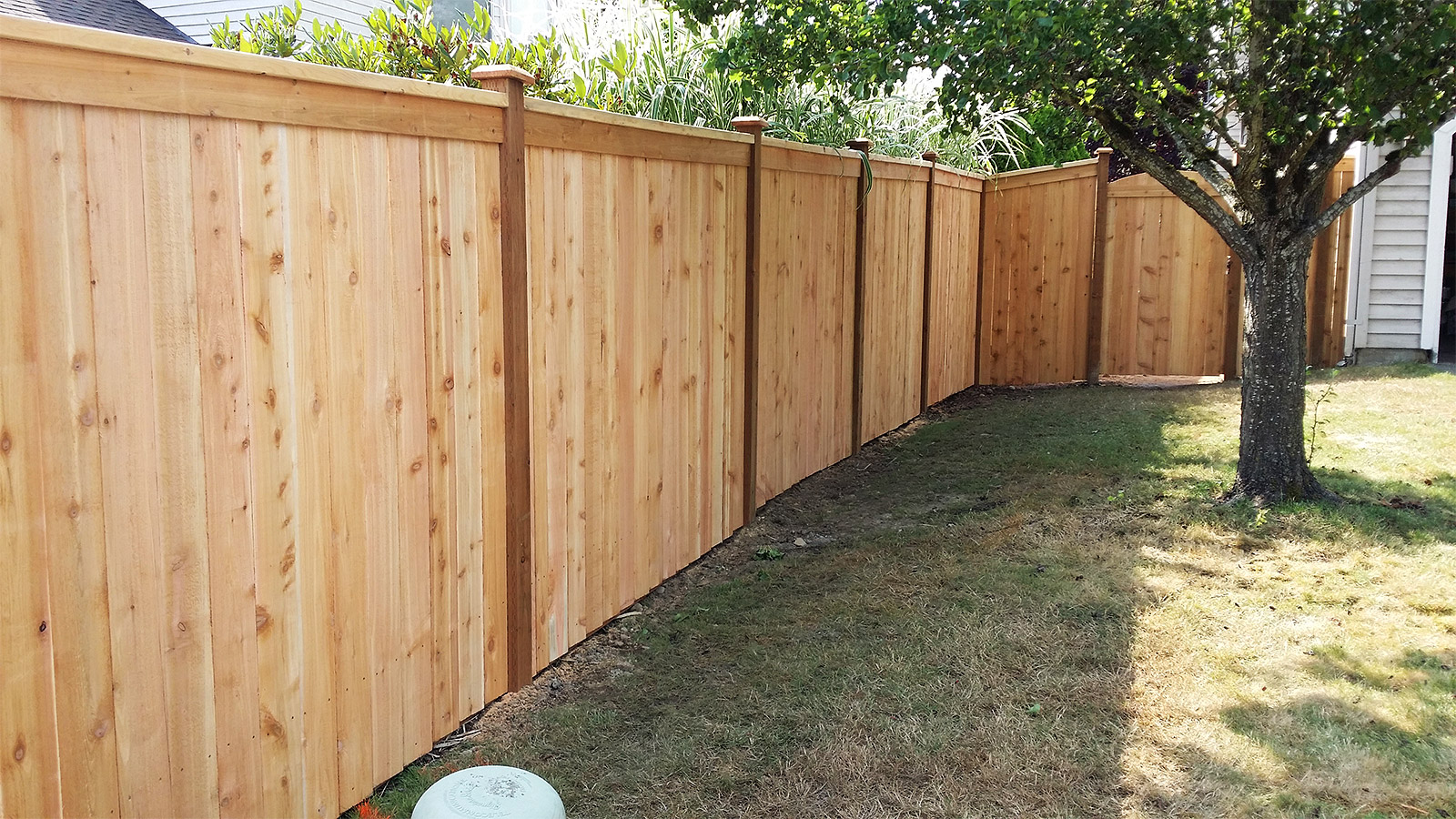
Wood fencing remains a popular choice, known for its classic look and versatility. Cedar and redwood are particularly preferred due to their natural resistance to decay and insects. However, they do require regular maintenance like staining or painting to maintain their integrity and appeal over time.
Vinyl fencing is gaining traction as a low-maintenance alternative. It simulates the look of wood without the issues of rotting or painting. While it might have a higher upfront cost, the reduced maintenance efforts offer a cost-effective solution in the long run. This makes vinyl an excellent choice for those who desire aesthetics without the upkeep.
If resilience against environmental factors like humidity and termites is a concern, composite fencing could be the answer. This material combines wood fibers and plastic, resulting in a fence that is durable, resistant to weather, and available in various styles and colors. Its ability to mimic natural materials while offering enhanced durability makes it a compelling option.
Beyond durability, the aesthetic aspect cannot be ignored. A well-chosen fence enhances curb appeal and complements the architectural style of your property. Traditional homes might benefit from the warm, inviting look of wood, while contemporary homes could leverage the sleekness of metal or the clean lines of vinyl.
Cost is often a determining factor. While metal fences might demand a higher initial investment, their longevity can translate into savings over time. Wood is typically more affordable upfront but can incur more maintenance expenses. Vinyl offers a balance, with higher initial costs but minimal maintenance.
In making your decision, think about the purpose of the fence. Is privacy a primary concern, or is it more about marking boundaries and aesthetic enhancement? If privacy is important, consider solid options like wood or vinyl panels. For decorative purposes without the need for privacy, ornamental metal or picket styles could suffice.
In conclusion, choosing the right fencing materials involves a careful evaluation of your needs, budget, and taste. At FBR Welder & Construction, our goal is to help guide you through these choices, ensuring you find a solution that meets both practical needs and style preferences. Whether you're leaning towards aluminum, vinyl, or the timelessness of wood, we are here to assist in crafting the perfect barrier that provides durability, style, and security. With the right materials, your fence will not only enhance your property's appeal but also serve as a testament to quality craftsmanship and thoughtful design.
/filters:no_upscale()/filters:format(webp)/media/8f031f6a-7c13-4bef-b544-c7a903322f29.jpeg)